Sticking yourself with sharp needles my not be fun and maybe even scary for some but many people don’t realize that insulin is a necessary hormone of the body, that helps regulate blood sugar (glucose levels) in the blood.
What Happens When There Isn’t Enough Insulin in the Body?
- Insulin is used to help the body store excess glucose that comes from when a person consumes food. Glucose is a sugar that is broken down from the foods ingested. Glucose is the leading the energy source for cells, meaning they need this to preform their needed and daily functions. When insulin isn’t present or the body doesn’t know how to properly use it, there will be an excess of glucose floating around in the blood, this also means that cells cannot absorb and take in their main energy source. This is where the scary complications come from.
- Insulin can be seen as the key to open up cells to take in glucose so without the key they cells cant to do anything with glucose.
Types of Insulin
- There are multiple types of insulin each with its own advantages depending on what type of diabetic you are and what your lifestyle looks like.
- Rapid acting- this is usually taken before a meal to ensure that the blood glucose doesn’t elevate too much from the ingestion of food. Brand name: Humalog, Onset: 10 to 30 min., Peak time: 30 min. to 3 hours, Duration: 3 to 5 hours
- Short acting- taken about 30 min. before a meal again to cove the blood glucose elevation your body is about to deal with. Brand name: Regular (R) Onset: 30 min. to 1 hour, Peak time: 2 to 5 hours, Duration: up to 12 hours
- Intermediate acting NPH (N), Onset: 1.5 hours to 4 hours, Peak time: 4 to 12 hours, Duration: Up to 24 hours, usually taken twice a day
- Long-acting- Brand name: Lantus, Onset: 0.8 to 4 hours, Peak time: minimal peak, Duration: up to 24 hours usually taken once to twice daily.
Injection Sites
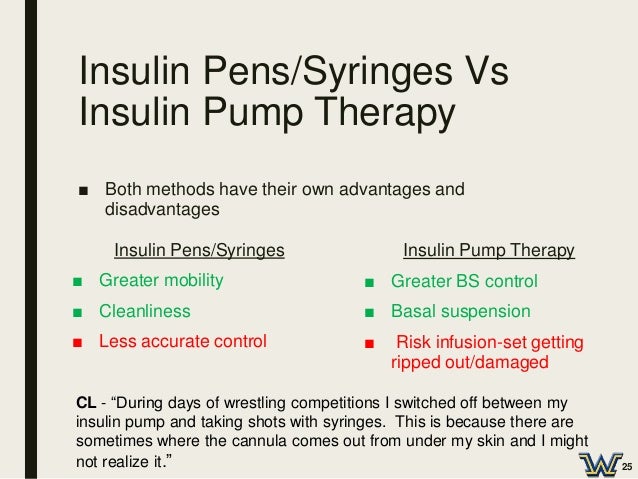
Now there are many different ways you can administer insulin there is the normal syringe and vial, insulin pens, and there are also pumps. Whichever you decide is best for you and they type of lifestyle you lead, you should always rotate your injection site, make sure to clean the skin before the injection, and ALWAYS use a new clean needle. For pumps in particular (recommended to change pump every 24-48 hours for metal needle and 48-72 hours for a soft canula). When picking where to place your pump you should go even the slightest bit away from a previous injection site, since your skin is exposed to the needle for a longer period of time.

 Keys to Diabetes